
Hydraulic Elevators – Strength, Reliability, and Smooth Vertical Movement
Hydraulic elevators are a trusted solution for low to mid-rise buildings, offering durability, cost-effectiveness, and smooth operation. Unlike traction-based elevators, hydraulic systems rely on a piston and fluid-driven mechanism to lift and lower the cabin. This simple yet powerful design makes them particularly well-suited for buildings with fewer floors such as residential complexes, hospitals, shopping centers, and industrial facilities.
How They Work
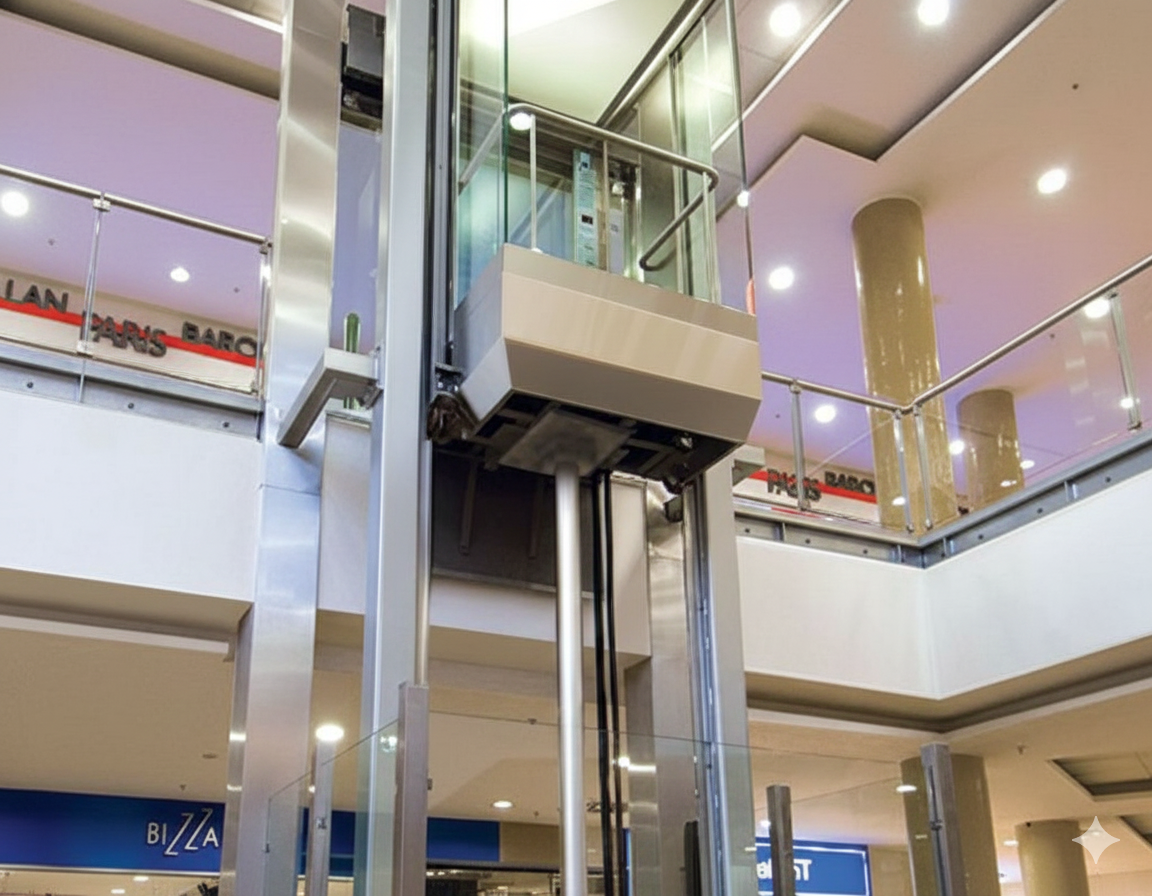
Hydraulic elevators operate using a cylinder-and-piston system powered by hydraulic fluid. When the pump pushes fluid into the cylinder, the piston rises, smoothly lifting the elevator car. To descend, the system releases fluid in a controlled manner, allowing the car to lower with precision. This method delivers a steady, vibration-free ride and provides excellent leveling accuracy at each floor.
Key Benefits
- Cost-Effective Installation: Requires less structural support and no overhead machinery, reducing initial construction costs.
- High Load Capacity: Ideal for carrying heavy loads, stretchers, or goods—making them perfect for hospitals and freight applications.
- Smooth Ride Comfort: Fluid-driven systems ensure quiet, vibration-free travel with excellent floor leveling.
- Flexible Placement: Machine room can be located adjacent to the shaft, providing design flexibility for architects and builders.
Safety and Reliability
Hydraulic elevators are designed with multiple safety mechanisms to ensure passenger protection. These include rupture valves to prevent rapid descent, emergency lowering devices for power failures, and door interlocks for secure operation. Their robust design and fewer moving parts make them highly reliable with lower maintenance requirements compared to some high-tech systems.
Smart Technology & Modern Features
Modern hydraulic elevators have evolved to incorporate energy-efficient and user-focused features. Advanced pump systems reduce energy consumption, while standby modes save power during idle periods. IoT-enabled monitoring ensures proactive maintenance, minimizing downtime. Optional features like touchless controls, LED cabin lighting, and antimicrobial finishes enhance passenger safety and convenience.
Ideal Applications
Hydraulic elevators are especially beneficial in:
- Hospitals and Healthcare Facilities – Wide cabins and stretcher-friendly designs.
- Shopping Malls and Retail Stores – Reliable systems for high-traffic, multi-level spaces.
- Industrial Buildings – Strong load-bearing capability for goods and freight.
- Residential Complexes – A practical and affordable option for mid-rise structures.
Summary
Hydraulic elevators combine strength, affordability, and ease of maintenance with modern safety and comfort features. Their ability to handle heavy loads, deliver smooth rides, and adapt to a variety of building types makes them a versatile choice for low to mid-rise projects. With today’s technological upgrades, they remain a highly relevant and dependable solution in the vertical transportation industry.